
Road safety in the UAE: what 50°C does to roadside cameras

UAE roadside cameras face more than high ambient temperatures. Solar loading, hot-road turbulence and dust can all affect image quality, so Gulf specifications need to test the conditions the equipment will actually face.
Connected infrastructure readiness: ISAD levels and C-ITS

SAE levels describe vehicle automation, while ISAD classes describe the support a road section provides. See how C-ITS fits into the scale, what separates classes E to A, and how to plan upgrades corridor by corridor.
Traffic signal control systems: fixed, actuated, adaptive

Fixed-time, actuated and adaptive signal control solve different problems. Compare what each mode needs, where adaptive control loses its advantage, and how to test whether the system actually improves performance.
Digital twin technology applications: a buyer’s checklist
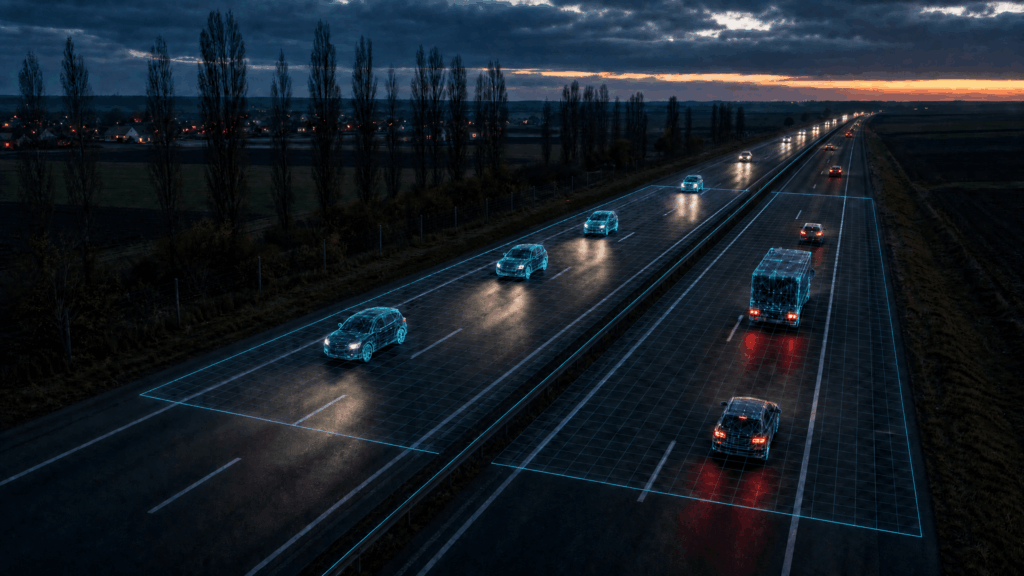
One label can hide very different purchases, and bids that solve different problems can end up scored against each other. Check what a digital twin contract should settle on synchronisation, model review and exit rights before you award it.
Quantum-inspired optimisation for traffic and tunnel systems
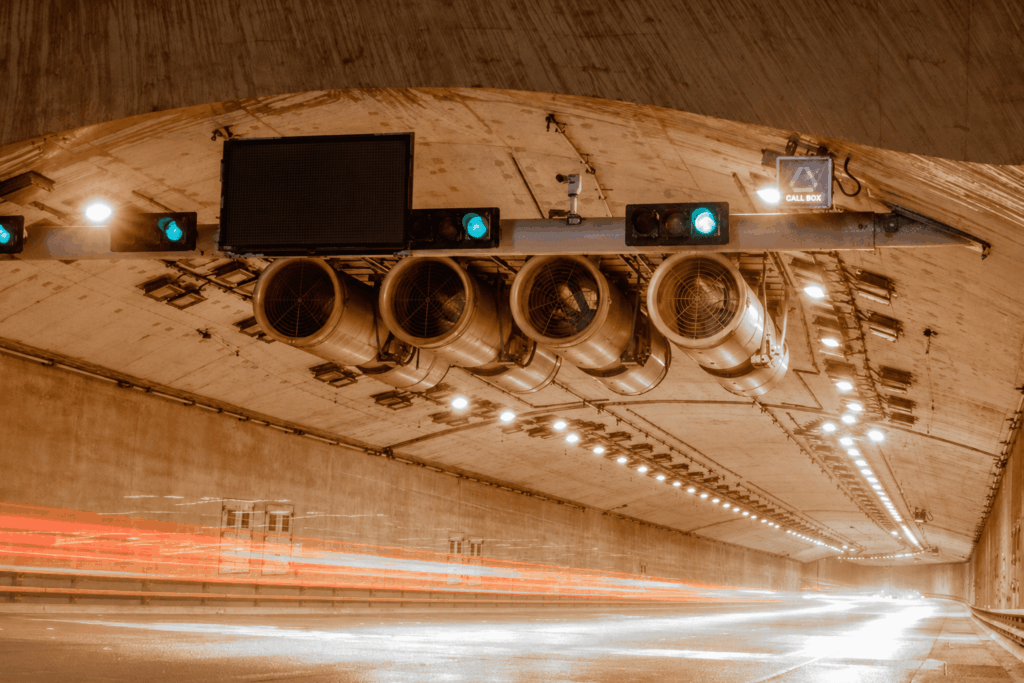
Signal timing, tunnel ventilation and evacuation routing can all be written as combinatorial problems, where constraints can add as many variables as the equipment itself. Count them first, then test any solver against a classical baseline.
超越单点检查的自动化交通执法
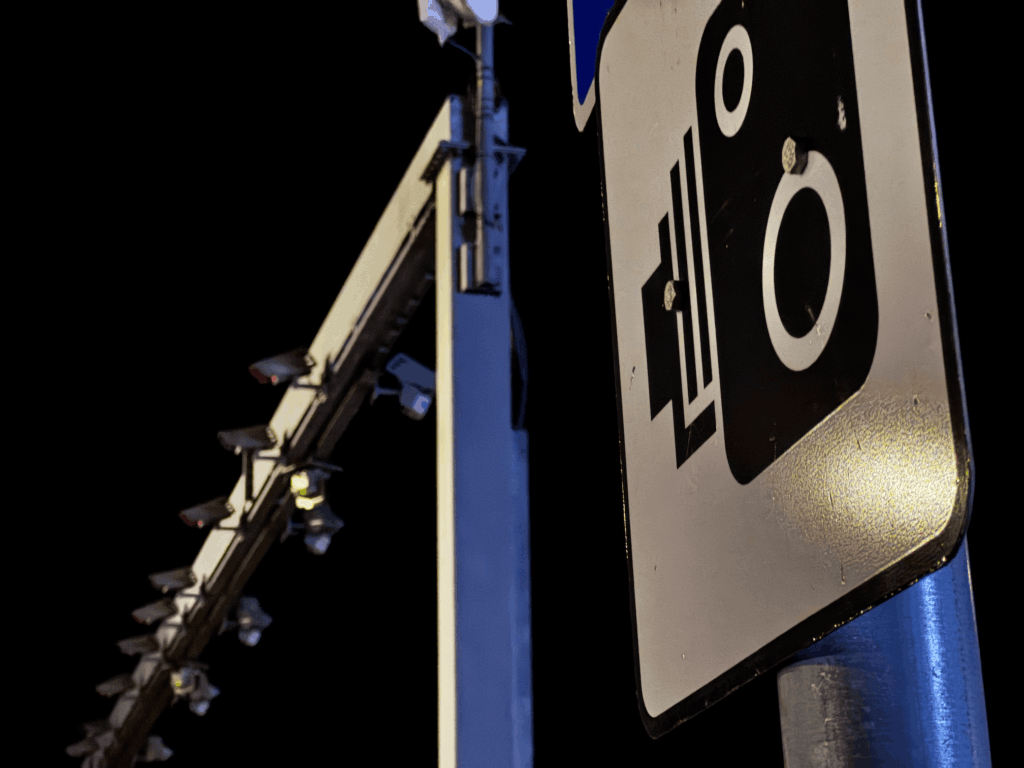
路段监控系统会在两个点位读取车牌信息,并将这两个点位之间的距离作为违规依据。请考虑这会对识别准确率、时钟同步以及争议通知所引发的三项争议产生何种影响。.
Patching a tunnel control system without taking it down
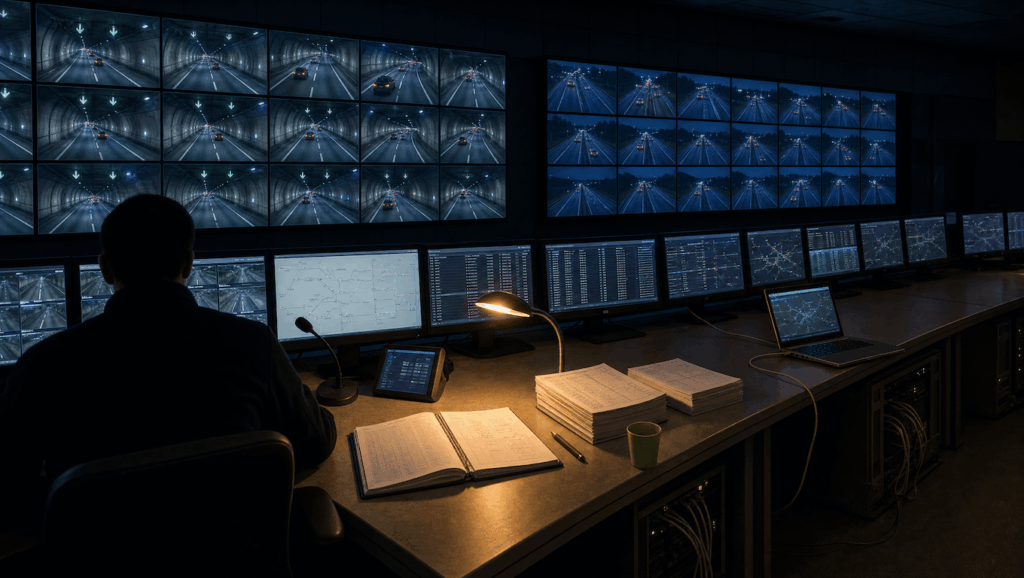
Fourteen subsystems behind one operator interface, and traffic that will not wait for a service to come back up. Examine what a single patch really costs on a tunnel control system, and what the standard leaves you to work out alone.
Post-quantum migration in transport control systems
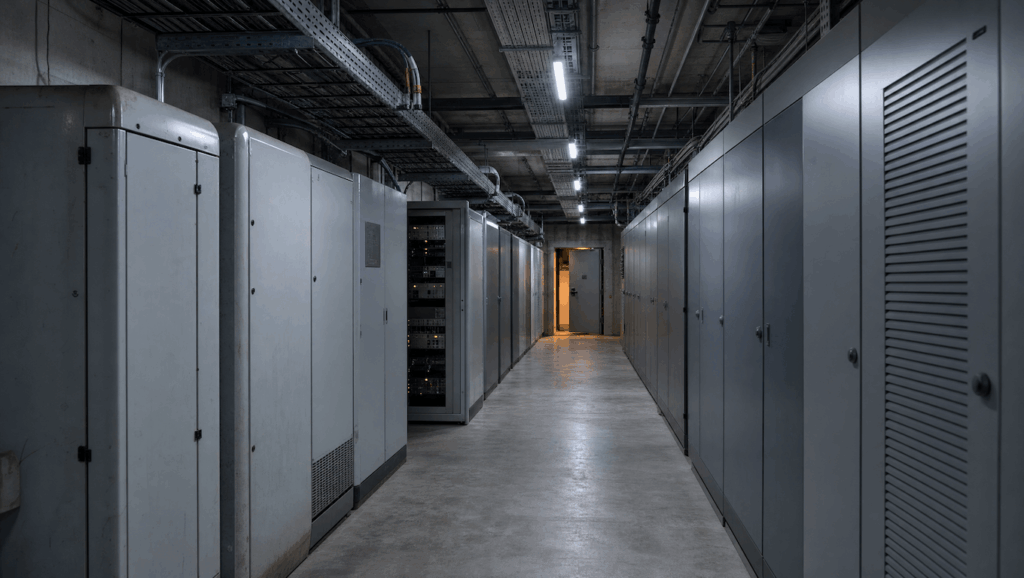
NIST finalised the first standards in 2024. The NCSC expects discovery alone to take large organisations two to three years. Work out where cryptography hides in your control estate before the roadmap dates start counting.
Post-quantum risk in vehicle to infrastructure communication

A roadside unit signs what vehicles act on. Break the scheme and you get to write those messages, not read them. Discover what post-quantum migration asks of an estate installed today and still signing in 2040.
Closing the loop: digital twin solutions in live traffic management
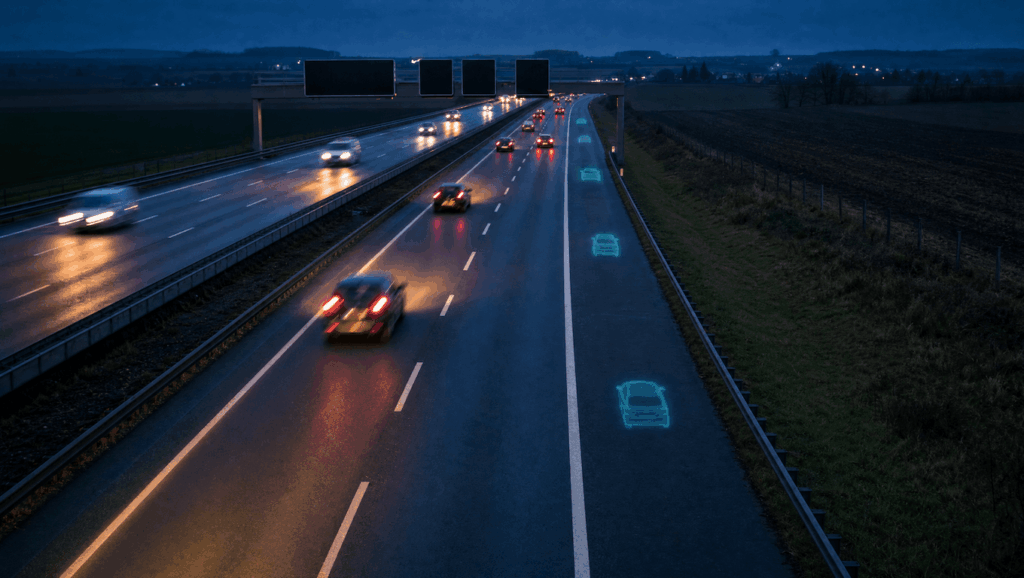
A model revisited once a year describes a network that has moved on. Explore how a twin recalibrated every cycle from counters, radar and incident detection lets an operator compare four intervention options before one reaches the road.